Blog
Acne Awareness Month: Understanding Modern Acne Treatment Options in Edinburgh
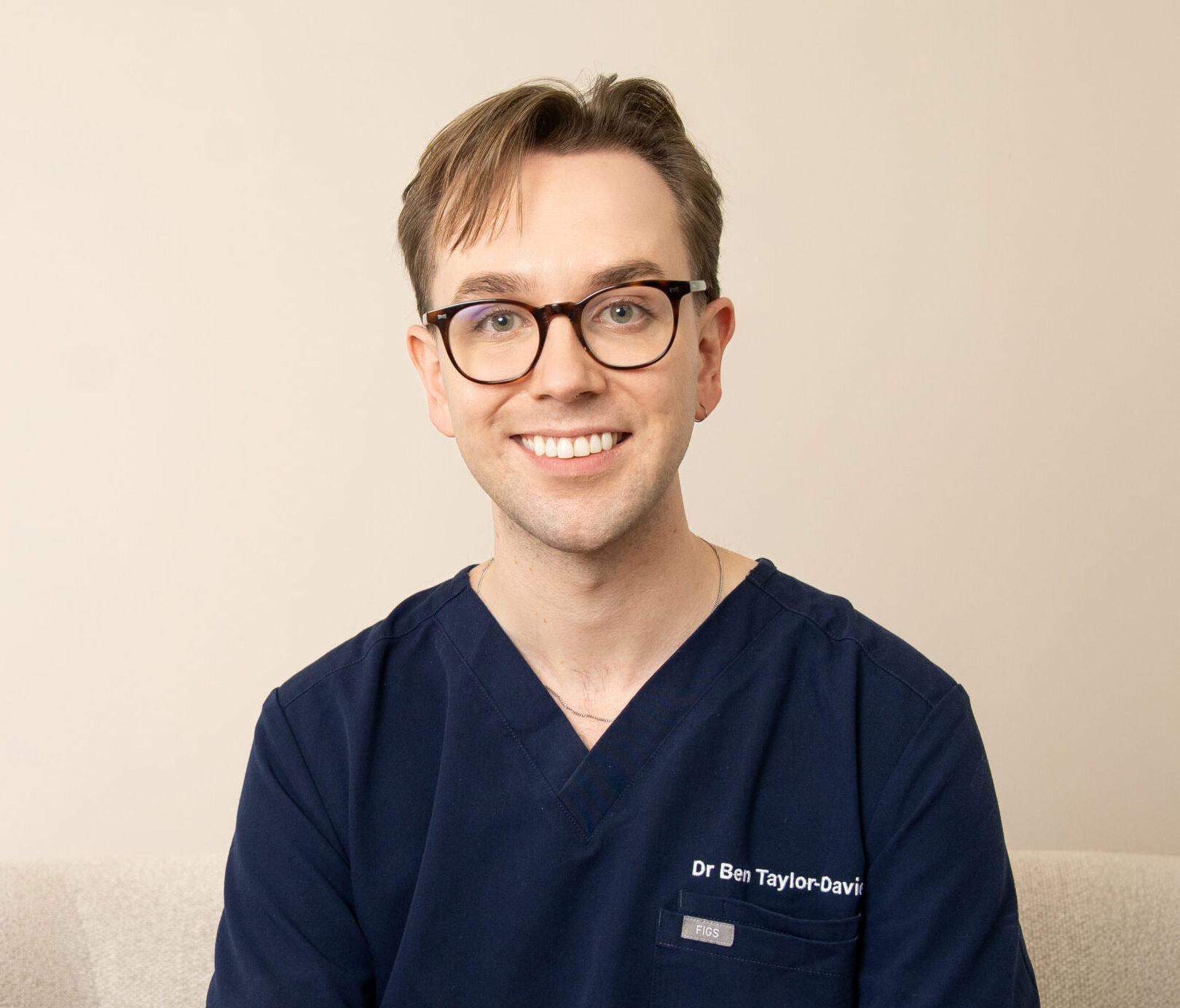
Acne is one of the most common skin conditions we treat, yet it remains misunderstood.
Many people still think of acne as a teenage problem that will eventually disappear on its own. In reality, we regularly see patients in their twenties, thirties, forties and beyond who are struggling with ongoing breakouts, persistent redness, post-inflammatory pigmentation, or acne scarring that developed years earlier.
Acne Awareness Month provides a useful opportunity to talk about how acne is treated today. The good news is that treatment options have evolved significantly. Rather than relying on a single cream or medication, we can now combine advanced laser technology, LED light therapy, prescription skincare and medical-grade products to target multiple aspects of acne at the same time.
At The Stockbridge Clinic in Edinburgh, treatment plans are always tailored to the individual because acne is rarely the same from one patient to the next.
Acne occurs when hair follicles become blocked with oil, dead skin cells and bacteria. Hormones often play a major role, but genetics, inflammation, stress, skincare habits and lifestyle factors can all contribute.
One of the biggest misconceptions we encounter in clinic is that acne is simply caused by poor cleansing. In reality, many patients with acne are over-cleansing and over-treating their skin, creating irritation that can worsen inflammation.
The first step is always understanding exactly what type of acne is present.
Some patients primarily experience inflammatory acne with red, painful spots. Others develop blackheads and congestion. Some have relatively mild breakouts but significant redness and scarring that remain long after the acne itself has settled.
This distinction matters because treatment choice depends heavily on what is driving the condition.
There is rarely a single “best” treatment.
In clinic we often see patients who have tried multiple products without success because each product was targeting only one aspect of the condition.
Successful acne treatment usually involves addressing several factors simultaneously:
For milder cases, we would usually start with prescription skincare and medical-grade homecare. In more persistent or inflammatory cases, we often combine topical treatments with advanced technologies such as Laser Genesis and Dermalux LED Therapy.
The most effective plans are often those that combine in-clinic treatment with a carefully structured home routine.
One of the most valuable technologies we use for acne management is Laser Genesis.
Performed using the Cutera XEO+ laser platform, Laser Genesis uses a 1064nm Nd laser to gently heat the deeper layers of the skin. This stimulates collagen production while simultaneously helping to reduce inflammation and redness.
Patients are often surprised that the treatment feels so comfortable. Most describe it as a gentle warming sensation rather than a traditional laser procedure.
What makes Laser Genesis particularly useful for acne is that it addresses multiple concerns at once.
Benefits include:
A common pattern we see is patients whose active acne has improved but who are left with ongoing redness and textural changes. Laser Genesis can be particularly effective in these situations because it treats both inflammation and the longer-term skin changes acne leaves behind. The treatment is also suitable for all skin types and has no downtime.
Dermalux LED Therapy is one of the most versatile treatments we offer for acne-prone skin.
LED therapy works by delivering specific wavelengths of light into the skin. Different wavelengths trigger different biological responses, helping to calm inflammation, support healing and improve overall skin function.
For patients with active breakouts, LED therapy can help reduce inflammation and support recovery. It is also particularly useful following other treatments because it helps calm the skin and encourage healing.
One of the reasons we frequently recommend Dermalux LED Therapy is that it integrates well into broader acne treatment plans.
For patients with sensitive skin or those starting their acne journey, LED therapy often provides an excellent introduction to in-clinic treatment. For patients undergoing laser procedures or prescription treatment programmes, it can provide additional support and help improve overall outcomes.
Acne scarring is often easier to treat than many people realise. The key is understanding what type of scarring is present. Some scars are caused by collagen loss, creating indentations within the skin. Others are associated with persistent redness or pigmentation. Many patients have a combination of both.
In more advanced cases, we would normally look at combining treatments rather than relying on a single procedure.
Laser Genesis can be extremely useful where ongoing redness and inflammation remain alongside mild to moderate scarring. For deeper textural changes, we may recommend other treatments to form part of a personalised treatment plan depending on skin type, downtime tolerance and scar severity. This includes:
This is where a consultation becomes particularly important. Two patients may both describe their concern as “acne scarring” but require completely different approaches.
Professional treatments tend to work best when supported by appropriate skincare. Depending on skin type and acne severity, we may recommend:
Rather than following skincare trends, we tailor recommendations to the individual, ensuring products work alongside any in-clinic treatments or prescription therapies.
Prescription treatments often form the foundation of long-term acne management. Common options include:
For many patients, the best results come from combining prescription treatments with procedures such as Laser Genesis and Dermalux LED Therapy, allowing us to address active breakouts, inflammation, redness, and longer-term skin changes simultaneously.
Supporting the skin barrier after treatment is extremely important.
Following laser procedures or periods of active inflammation, we often recommend gentle, barrier-supportive products rather than aggressive acne treatments.
CeraVe’s reparative moisturising products are frequently recommended post-treatment because they help maintain hydration and support the skin barrier whilst recovery takes place.
Many patients are surprised to learn that improving skin barrier function can actually help improve acne outcomes in the long term.
Most patients benefit from a course of 3 to 6 treatments, although this varies depending on acne severity, redness and scarring. We’ll advise on the best course of treatment at your consultation.
For mild inflammatory acne, LED therapy can be very beneficial. For more persistent acne, it is often combined with skincare, prescription treatments or laser procedures.
Yes. Laser Genesis is frequently used to improve inflammatory acne, redness and acne scarring while also supporting collagen production.
Most acne scars can be significantly improved, although complete removal is not always possible. Results depend on the scar type, severity and treatment approach.
The best routine depends on your skin type and acne severity. In most cases, a combination of appropriate cleansing, targeted active ingredients, moisturisation and sun protection delivers the best results.
If you are struggling with active acne, persistent redness or acne scarring, a professional assessment can help identify the most effective treatment options for your skin.
At The Stockbridge Clinic in Edinburgh, we offer personalised acne treatment plans that may include Laser Genesis, Dermalux LED Therapy, prescription treatments, medical-grade skincare and advanced skin rejuvenation procedures where appropriate.
Whether your concerns are recent breakouts or scars that have been present for years, our team can help create a treatment plan designed around your skin, your goals and your lifestyle. Book a consultation today and take the first step towards clearer, healthier skin.