Blog
Aesthetics Safety: Dr Ben on Why Patient Protection Must Come First
Aesthetic treatments are more accessible than ever. From dermal fillers and skin rejuvenation to advanced laser treatments, there are now many ways to address common skin concerns without surgery.
But with so many clinics, treatments and practitioners to choose from, how do you know you’re in safe hands?
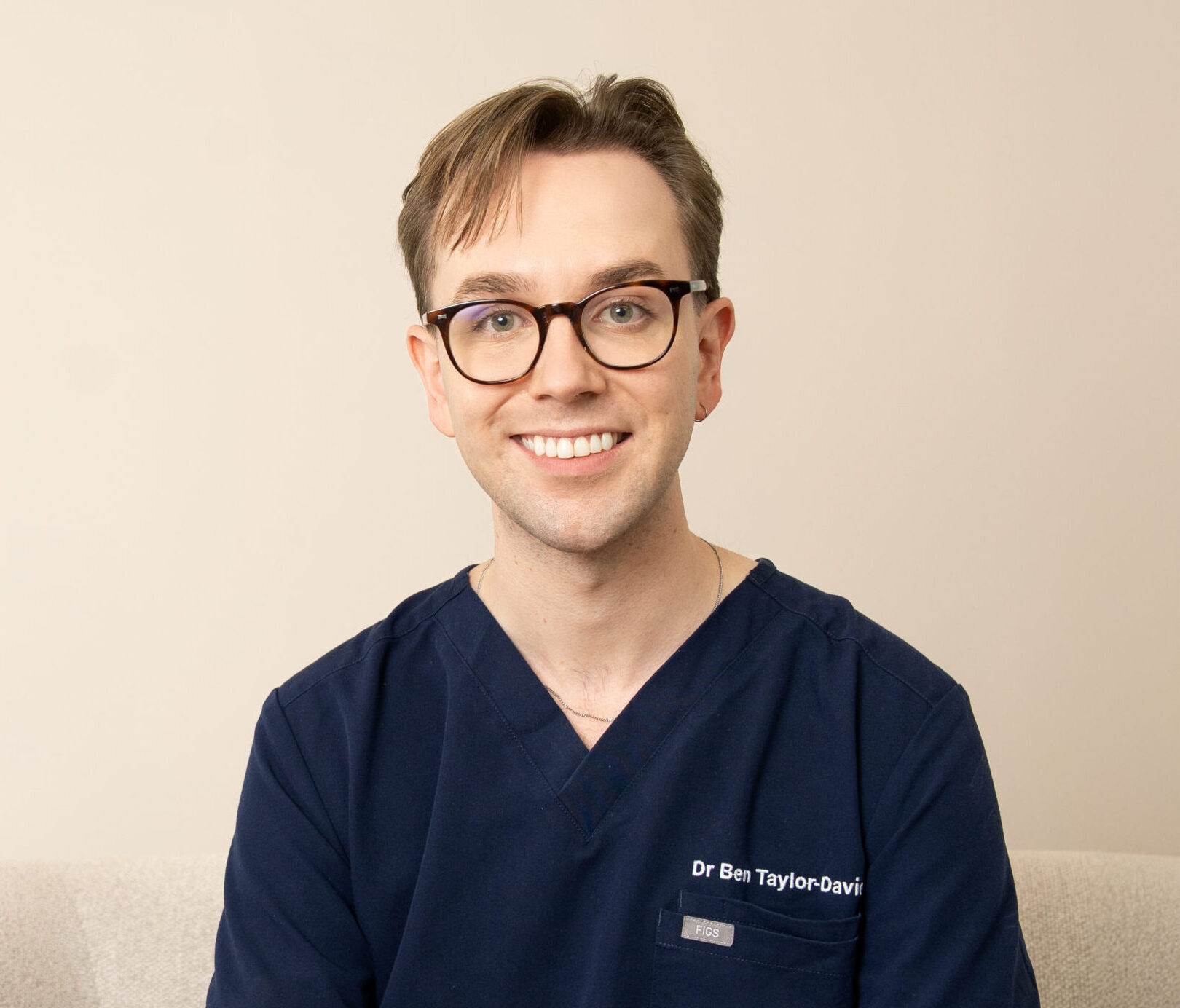
It’s an important question, and one that Dr Ben from The Stockbridge Clinic recently explored on The Late Late Aesthetics Show, hosted by Vanessa Lana Brown. The conversation focused on the importance of proper training, clear safety standards and making sure patients receive the care and information they deserve.
At The Stockbridge Clinic, we believe that feeling confident about your treatment starts long before you enter the treatment room. It begins with knowing who is treating you, understanding your options and feeling comfortable asking questions.
Many non-surgical aesthetic treatments are described as quick, straightforward procedures with little downtime. And while that may be true for some treatments, it doesn’t mean they are completely without risk.
Even something as familiar as dermal filler requires a detailed understanding of facial anatomy. Your face contains a complex network of blood vessels, nerves and other structures that need to be carefully considered during treatment.
Similarly, laser and radiofrequency treatments use energy to create controlled changes within the skin. The right settings, technique and patient assessment are essential for achieving results safely.
This is why choosing a practitioner shouldn’t come down to price, social media photographs or convenience alone. You want someone who understands your skin, knows when a treatment is suitable and, just as importantly, knows when it isn’t.
When you’re researching a treatment, it’s natural to look at before-and-after photographs or read patient reviews. These can be helpful, but they don’t tell you everything about the person carrying out the procedure.
A good practitioner should have appropriate qualifications, relevant treatment experience and a thorough understanding of the procedures they offer. They should also continue learning as treatments, technologies and clinical guidance develop.
For example, someone carrying out dermal filler treatments needs to understand much more than how to create a particular facial shape. They must know how to assess your anatomy, choose appropriate techniques and recognise potential complications.
At The Stockbridge Clinic, our doctor-led approach means that medical assessment and individual treatment planning are central to the care we provide.
We want patients to feel comfortable asking about qualifications, experience and treatment suitability. These are sensible questions, and a reputable practitioner should be happy to answer them.
You might arrive at a consultation convinced you need a particular treatment. Perhaps you’ve seen someone else’s results or read about a procedure that sounds perfect for your concern. But what works well for one person won’t necessarily be the best choice for another.
For example, you may be concerned about a less defined jawline and assume dermal filler is the answer. However, the change could be related to skin laxity, reduced collagen, facial volume loss or a combination of factors.
A proper consultation helps us understand what’s actually contributing to your concern before discussing the most appropriate options. It should also give you time to ask questions, consider the possible benefits and understand any risks.
Before agreeing to treatment, you should feel clear about:
You should never feel rushed into making a decision. Sometimes, the most appropriate advice is to wait, consider another treatment or leave things as they are. Good aesthetic care is about making the right decision for you, not simply carrying out a procedure.
It’s not something most people want to think about when booking an aesthetic treatment, but it’s an important question to ask. Even when treatments are carried out correctly, side effects and complications can occur. Some are relatively minor, such as temporary redness, swelling or bruising. Others can be more serious and may require prompt medical attention.
For example, dermal fillers can occasionally cause a blockage in a blood vessel. Although uncommon, this can be a serious complication that requires urgent recognition and appropriate management.
With laser treatments, factors such as skin type, recent sun exposure and medical history can influence the risk of burns or changes in pigmentation. This is why your practitioner should understand not only how to perform a treatment, but also how to recognise and respond to complications.
Treatments such as Laser Genesis and Secret RF Microneedling, for example, work in different ways and require different approaches to patient assessment, treatment settings and aftercare.
You should also know who to contact if you have concerns after leaving the clinic. Being prepared for complications doesn’t mean something is likely to go wrong. It means your safety has been considered at every stage.
With so much information available online, choosing a clinic can feel overwhelming. A beautiful website or impressive social media following doesn’t necessarily tell you how a clinic operates behind the scenes. Instead, look for signs that patient care is being taken seriously.
A reputable clinic should be open about practitioner qualifications, explain treatments clearly and provide an opportunity for a proper consultation. You should feel listened to, rather than being encouraged to book treatments you haven’t fully considered.
It’s also worth paying attention to how a clinic discusses results. Be cautious of anyone promising guaranteed outcomes, suggesting a treatment is completely risk-free or dismissing your concerns.
At The Stockbridge Clinic, we believe that trust comes from honest conversations, realistic expectations and treatment recommendations based on individual needs.
Whether you’re considering your first treatment or have been visiting aesthetic clinics for years, these five questions can help you make a more informed choice.
1. Who will actually be carrying out my treatment?
Ask about their qualifications, training and experience with the specific procedure you’re considering. It’s reasonable to want to know who’s treating you.
2. Is this really the right treatment for me?
A good practitioner should explain why a treatment is suitable for your concern, rather than simply agreeing with what you’ve requested.
3. What could go wrong?
Every treatment carries some degree of risk. You should understand the common side effects, less frequent complications and any warning signs to look out for.
4. What happens if I need help afterwards?
Find out what aftercare is available, who you should contact if you have concerns and how urgent problems would be managed.
5. What if I decide not to go ahead?
You should always have the freedom to take your time, ask more questions or decide against treatment without feeling pressured.
As aesthetic treatments become more popular, there’s growing discussion about whether the industry needs clearer and more consistent safety requirements. For patients, stronger standards could make it easier to understand who is appropriately qualified to carry out different procedures and what level of care they should expect. This could include clearer expectations around training, professional development, patient consent and managing complications.
Regulation in the UK is complex, with different requirements applying to different treatments and practitioners. However, the principle is simple: patients should be able to expect appropriate standards of care wherever they choose to have treatment.
Greater transparency and accountability could also help patients make confident, informed decisions without having to rely solely on marketing claims or online reviews.
At The Stockbridge Clinic, we believe the best aesthetic results begin with understanding you, your concerns and what you hope to achieve. As a doctor-led clinic, we take a personalised approach to aesthetic, regenerative and preventative treatments. We consider your medical history, skin health and individual needs before recommending a treatment plan.
Sometimes that means choosing a different approach from the one you originally had in mind. Other times, it may mean taking a gradual approach or deciding that treatment isn’t necessary. Whatever the recommendation, our priority is to help you make an informed decision and feel confident in the care you receive.
If you’re considering aesthetic treatment in Edinburgh, book a consultation with our team at The Stockbridge Clinic to discuss your concerns and explore the options available to you.